Flamenco in Seville tonight
Every one of the city's 21 tablaos on a single screen: what each show costs, what the ticket includes, which district it's in and when the next one starts. Compare and book without leaving this page.
Compare Seville's flamenco shows
Price, reviews, district and what the ticket includes, side by side. Sort by whatever matters to you — cheapest, best rated or closest — and save the ones you like to put them head to head before deciding.
21 shows
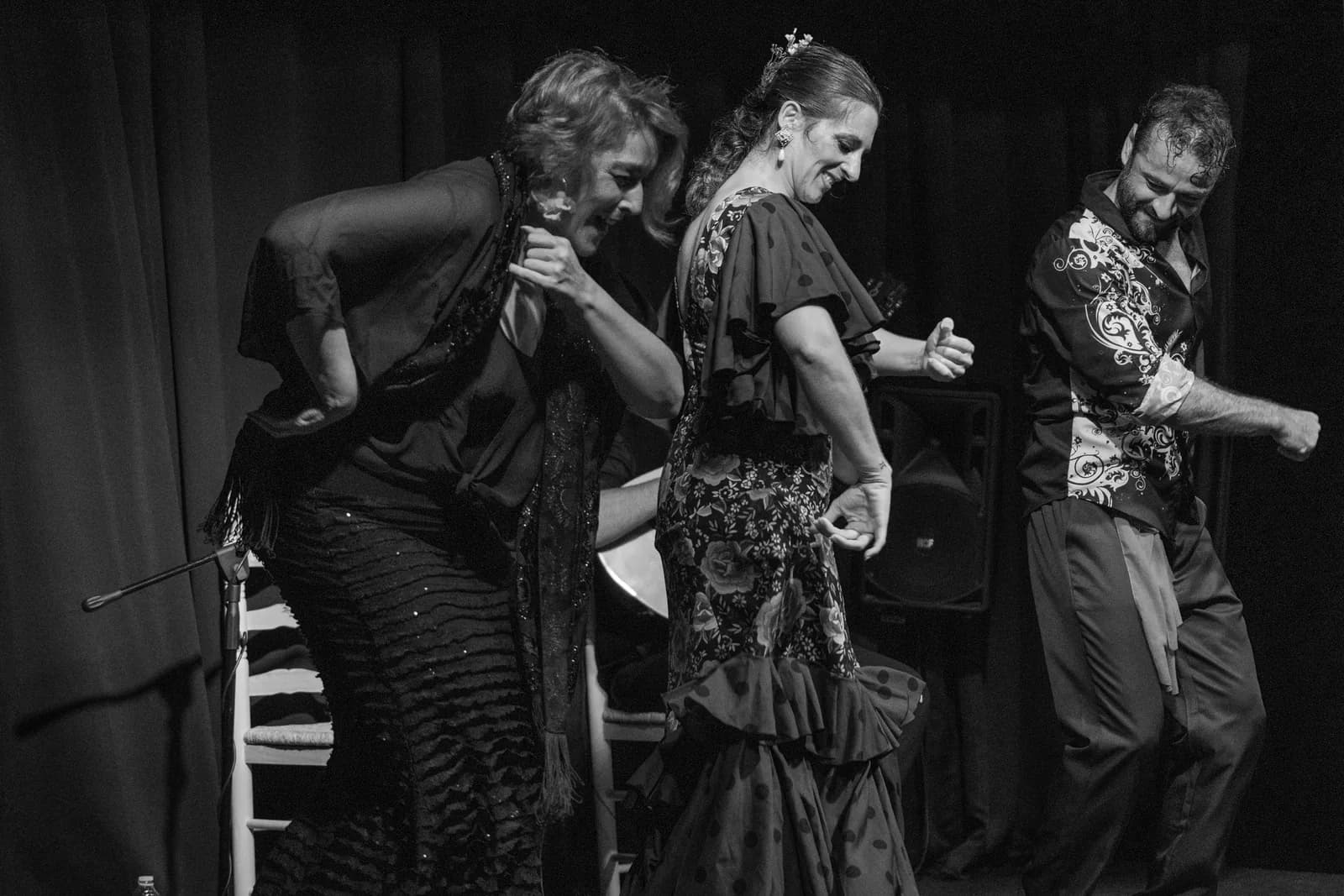
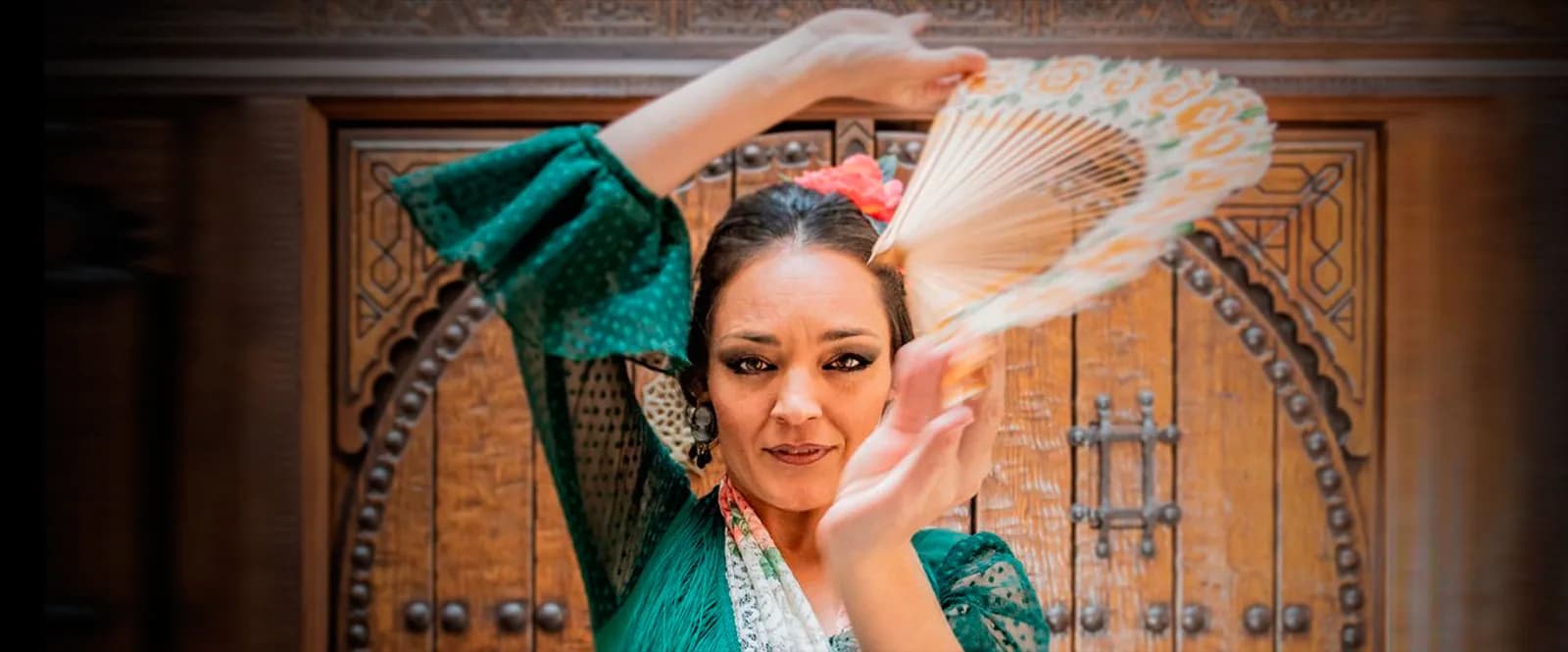
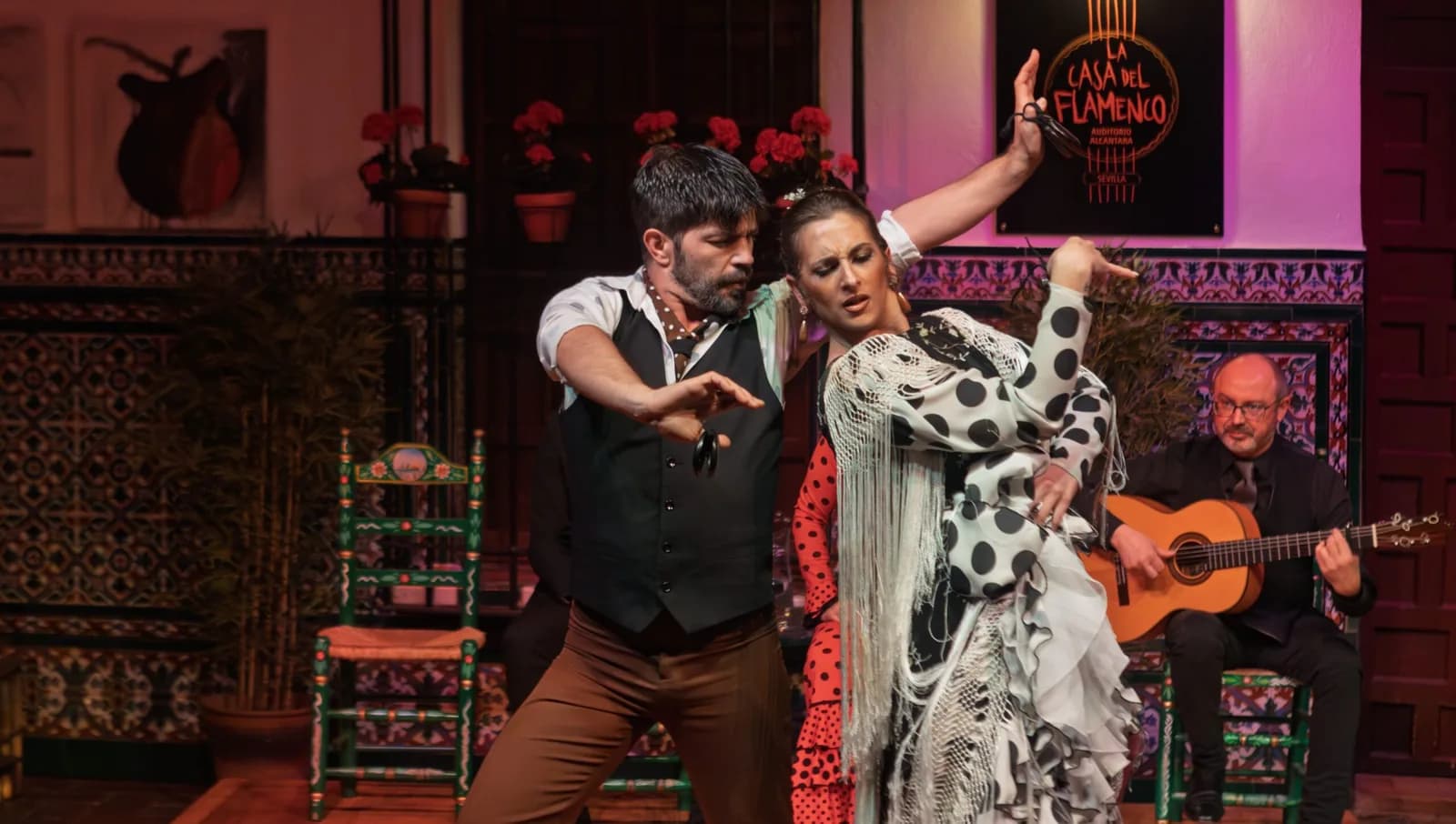
The duende of Seville flamenco
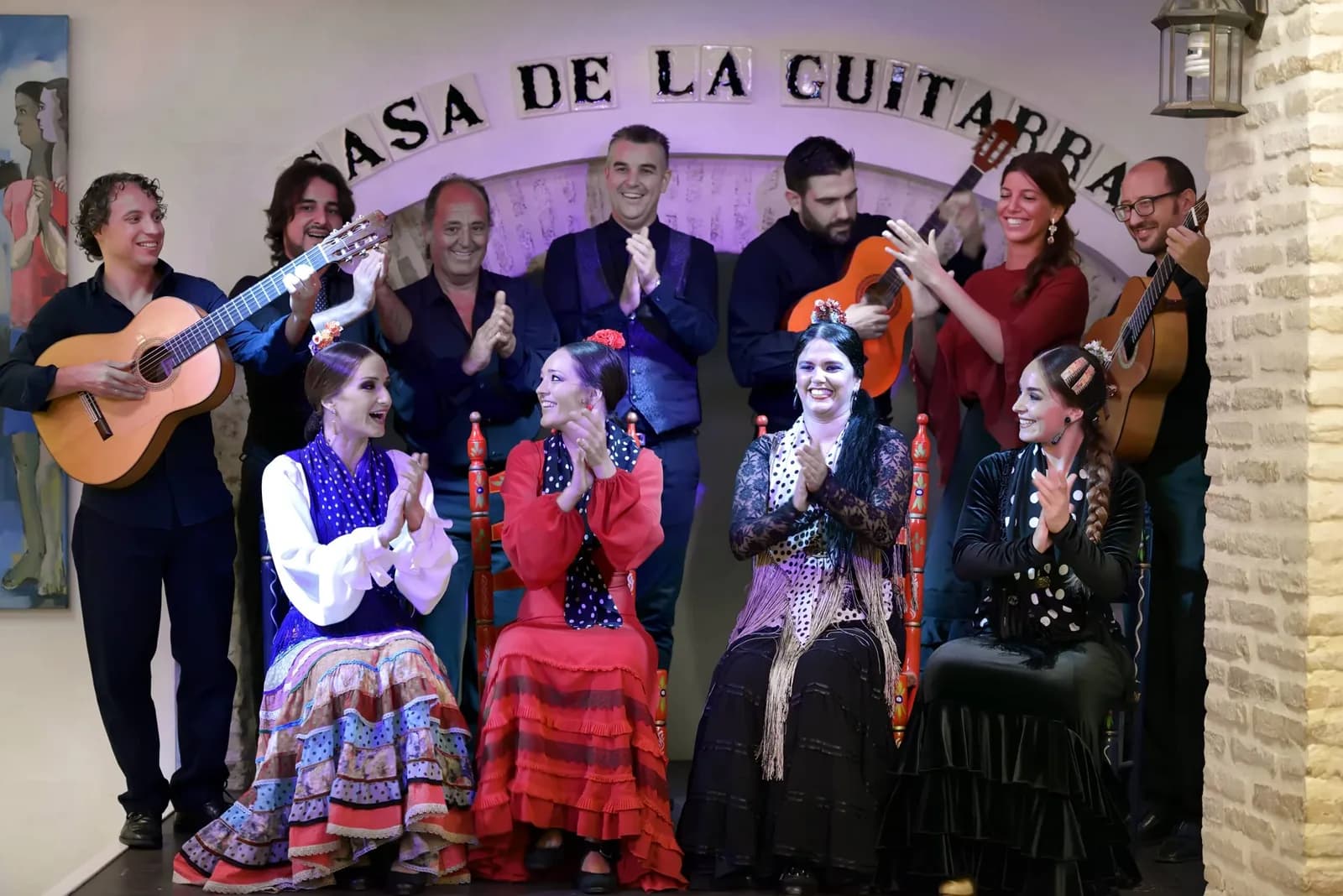
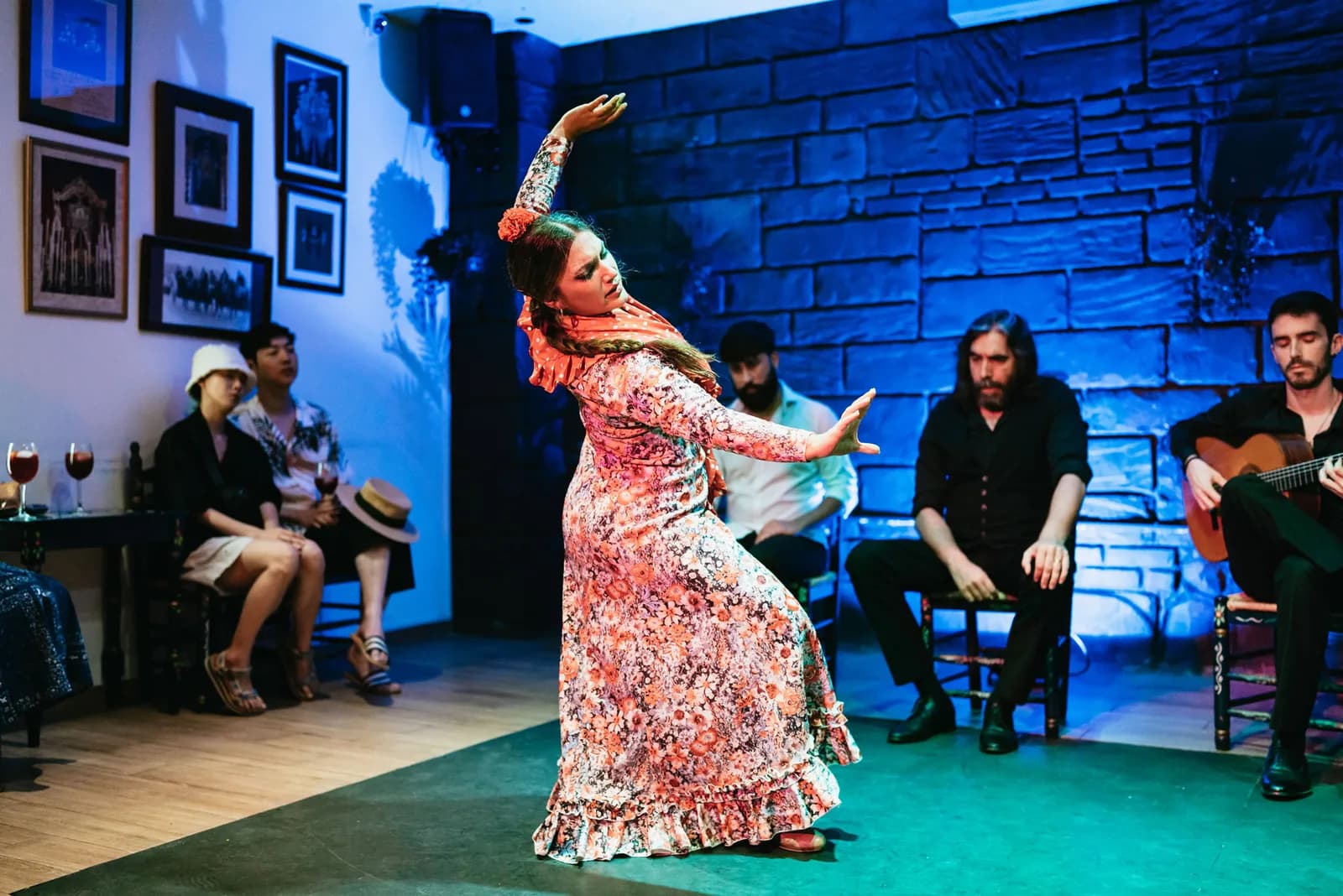
Before booking, watch how they dance in each room. These are the tablaos' own videos: the size of the stage, how close the audience sits and the cast on a given night come across better in a minute of dancing than in any description.
BookFlamenco tablaos by district in Seville
Nearly all of them are a short walk from the centre: Santa Cruz, Centro and Arenal hold most of them, and Triana adds its own across the river. Tell us where you'll be this evening and you'll only see what's close by.
Which flamenco show to choose in Seville
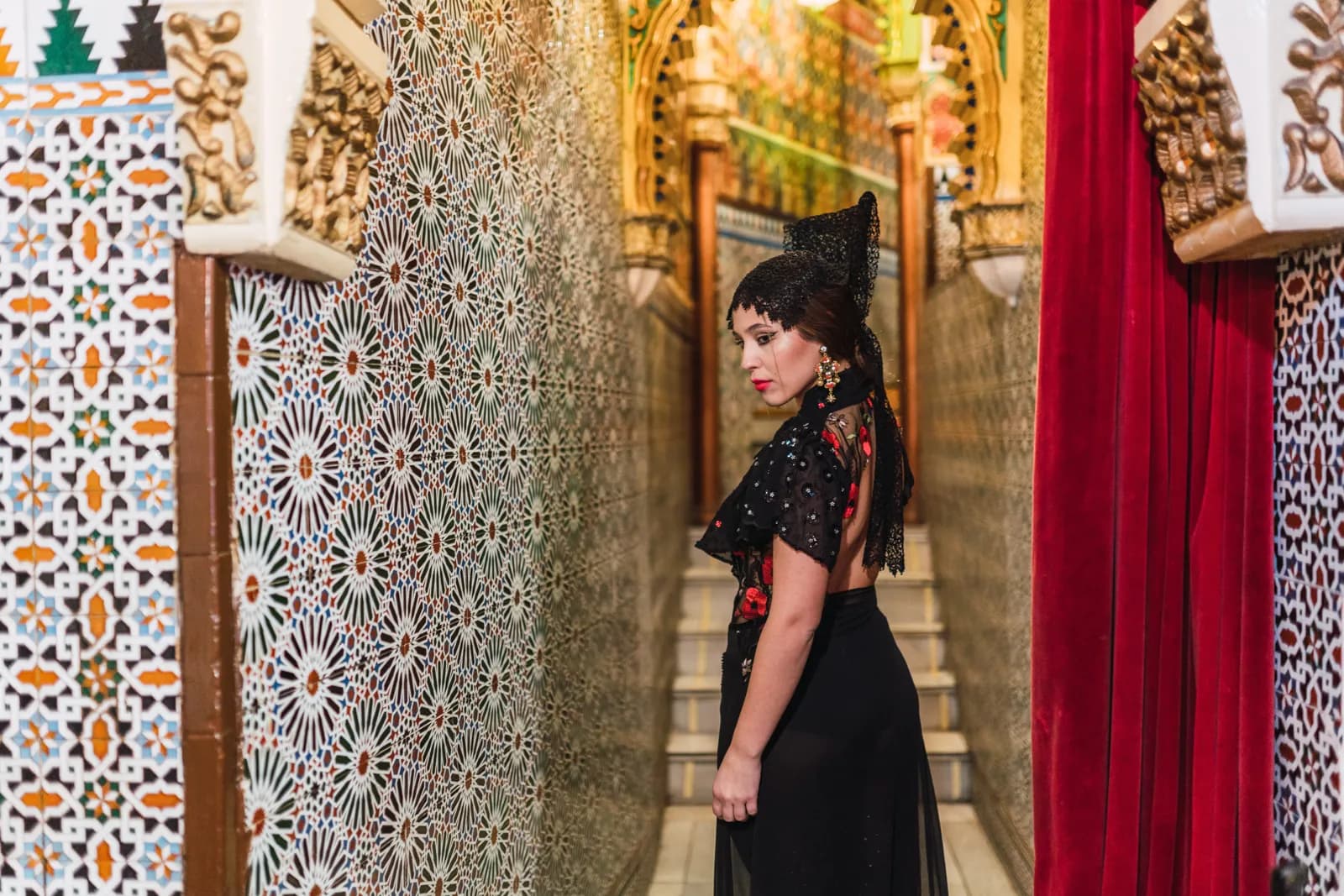
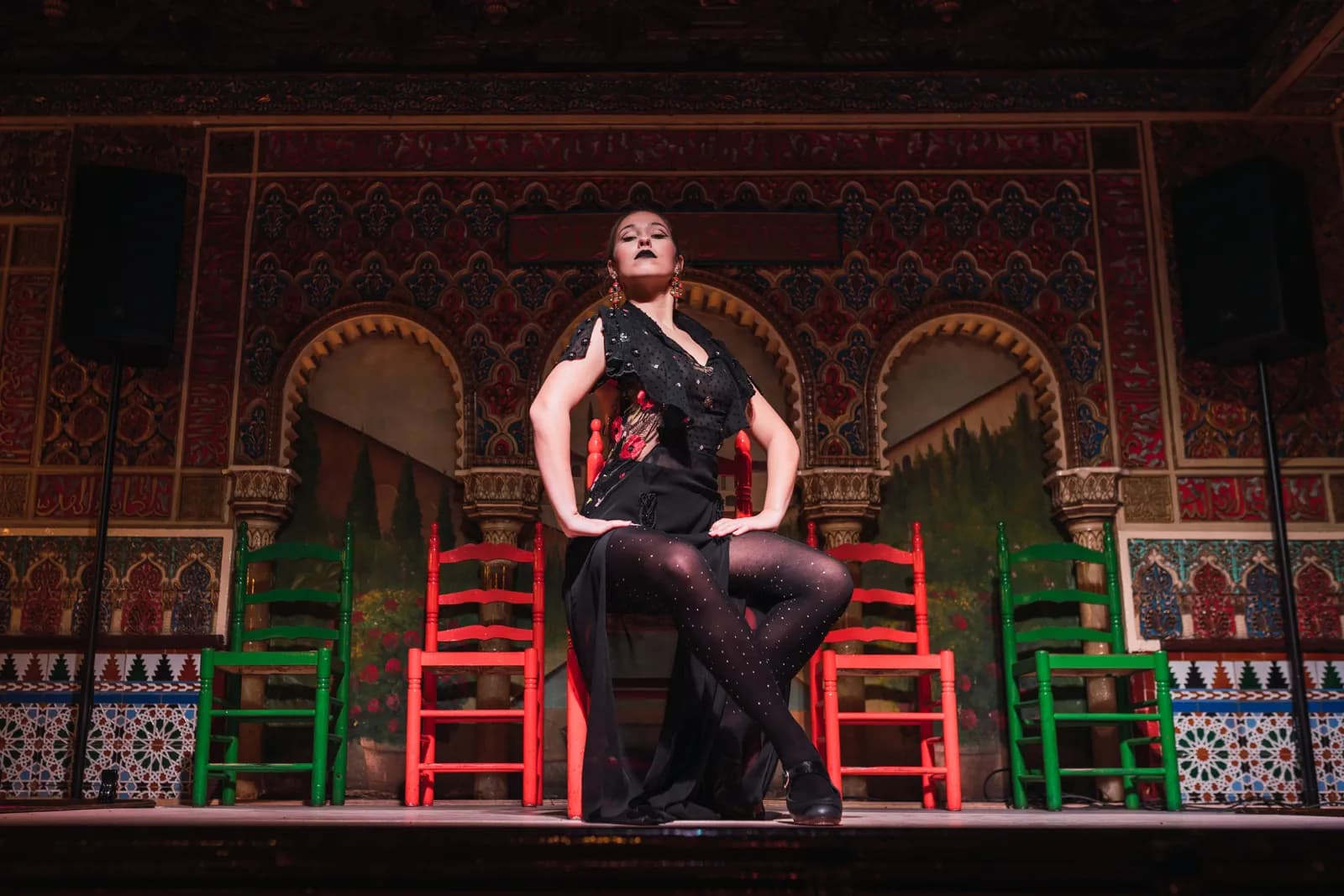
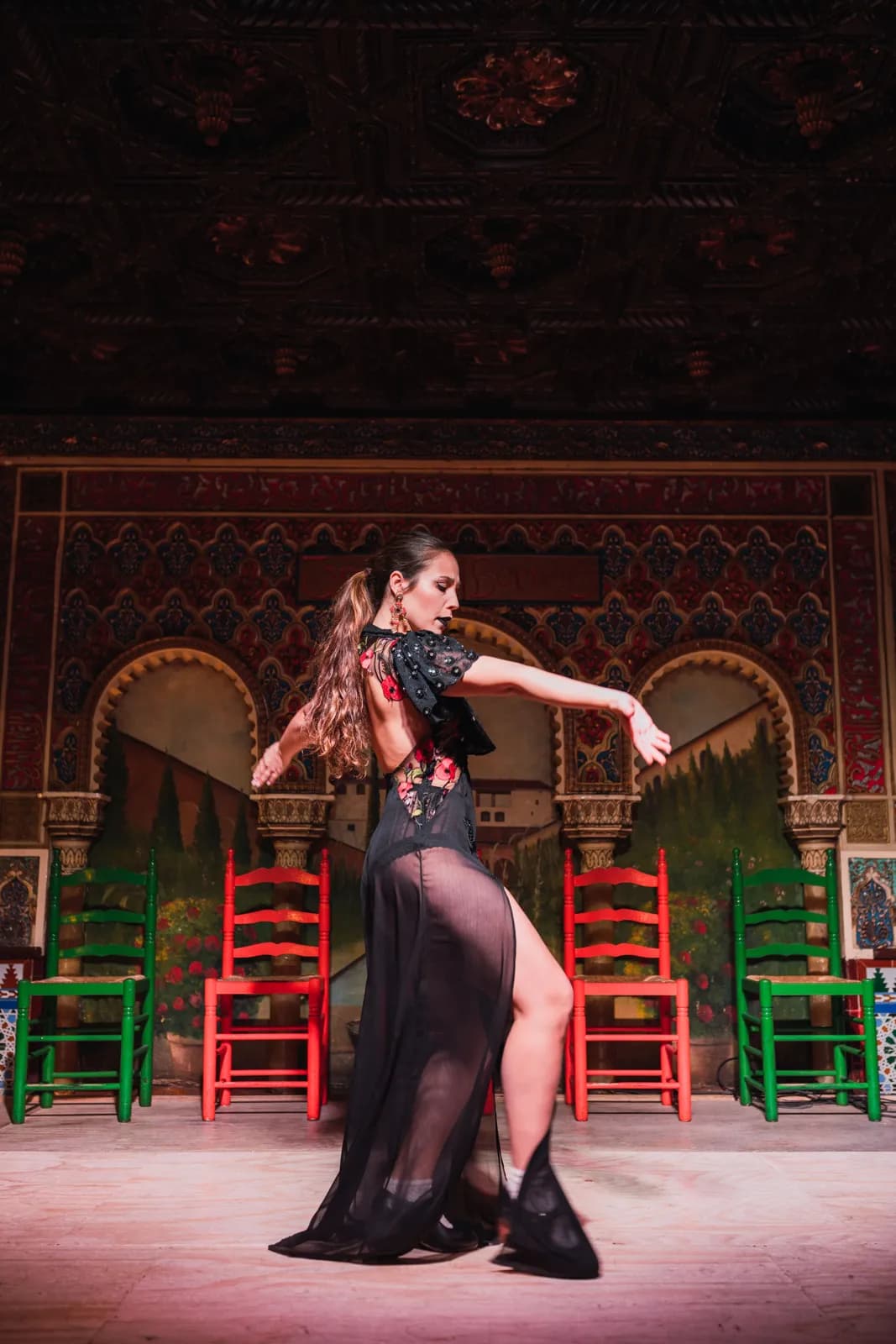
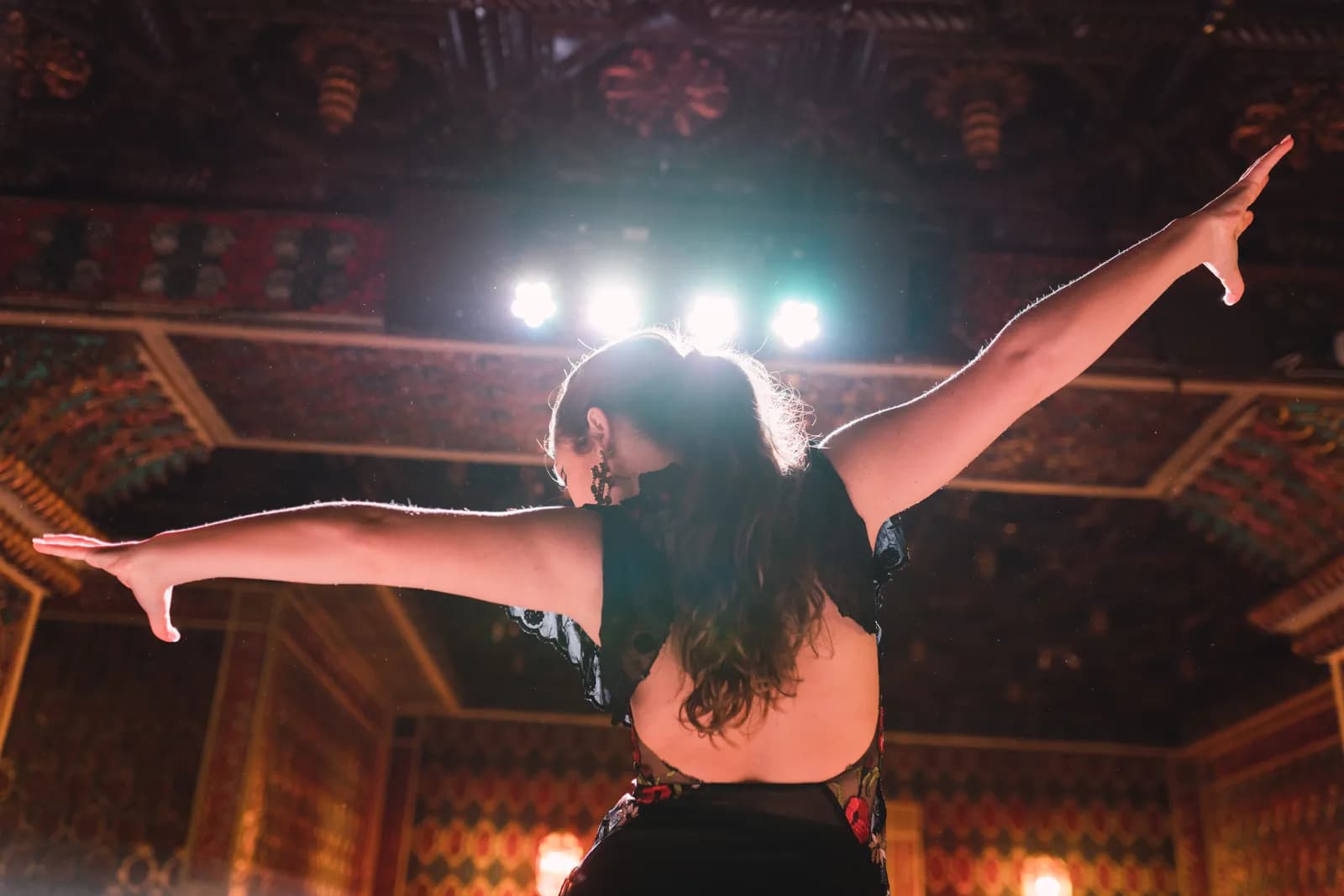
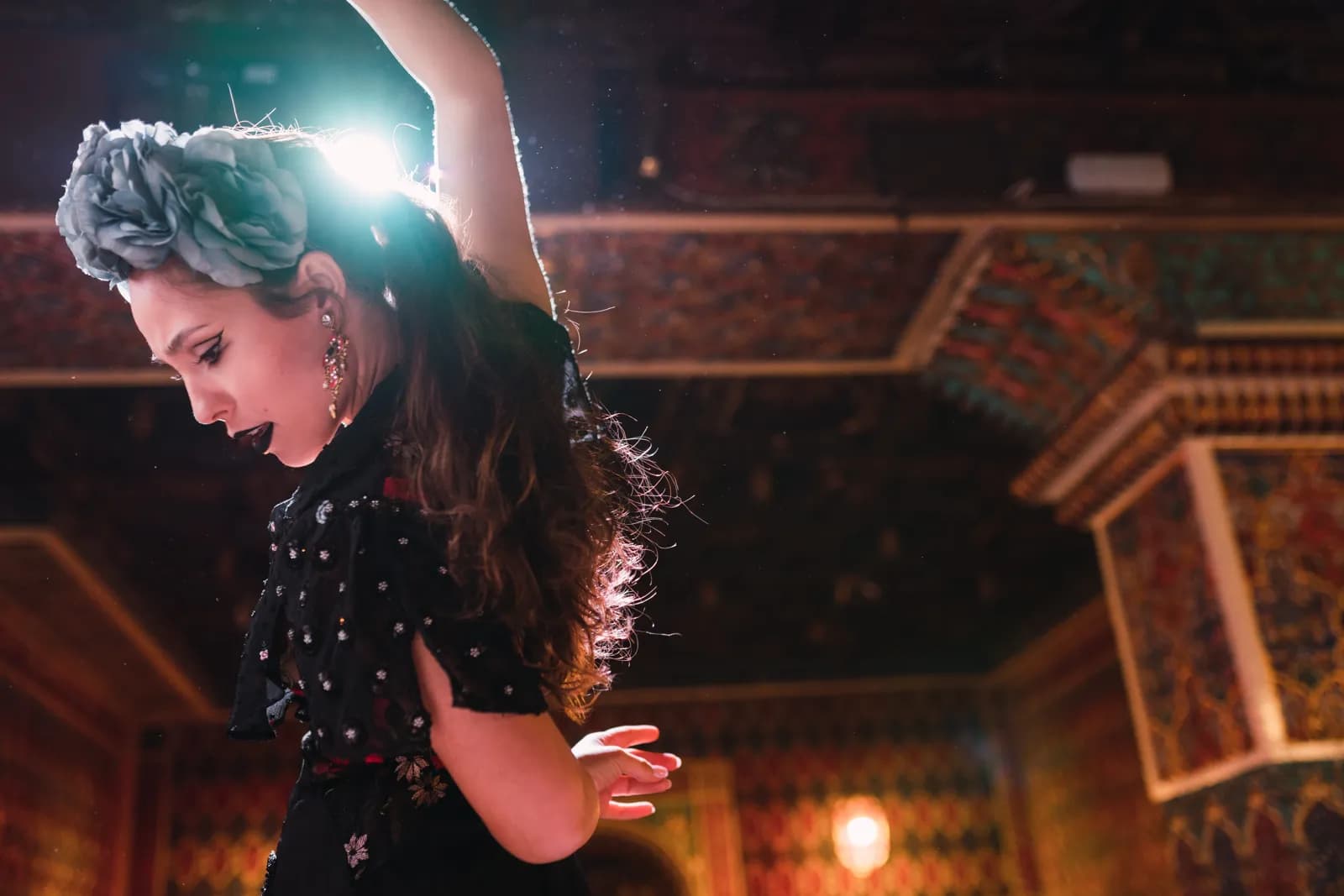
Seville has 21 venues with flamenco shows almost every day of the year, and there is more difference between them than meets the eye. A tablao is not a theatre or a peña: the dancing happens a few metres from the audience, the show runs about an hour and the cast changes from one night to the next.
What moves the price is not so much the level of the artists as what the ticket includes. The show on its own costs between 20 and 36 €; with a drink or a cocktail, between 27 and 57 €; with tapas or dinner, from 34 to 90 €. The performance is usually the same one: what you pay extra for is the table.
Shows start between 5 pm and 10:30 pm, and the 7 pm one sells out first in almost every venue. If you're booking at the last minute, the figure that decides is the next show time on each card, not the rating.
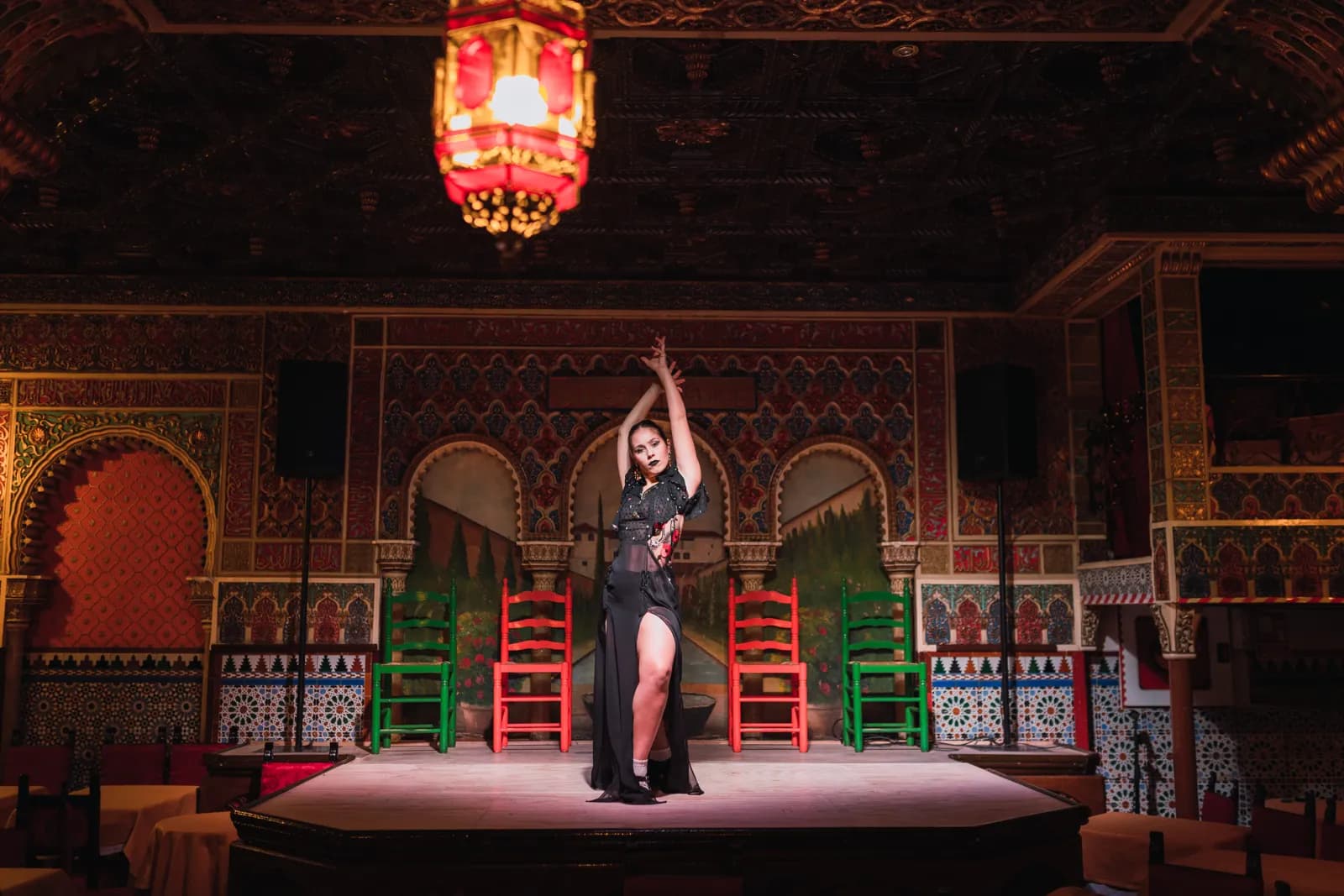
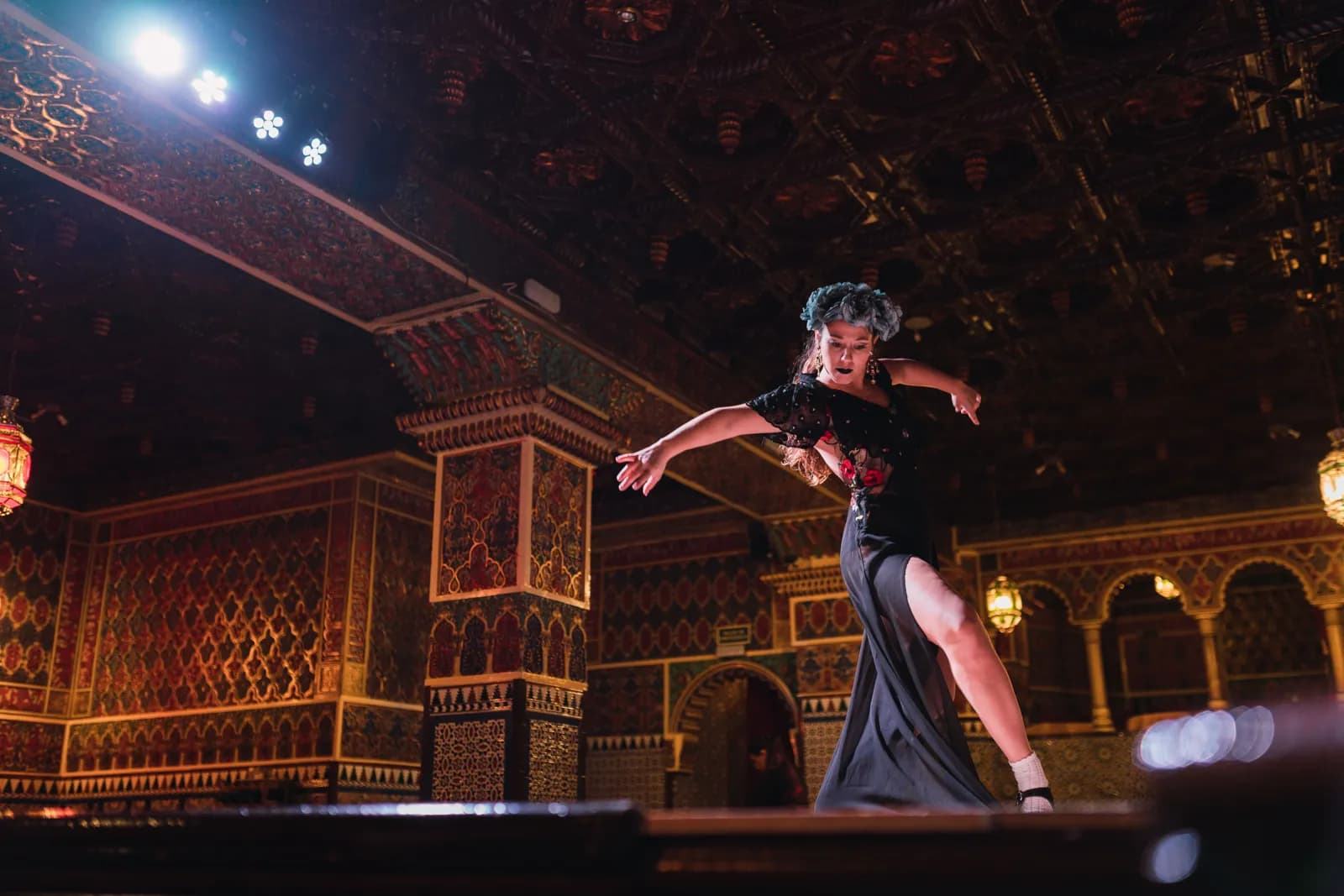
There is also plenty to choose from by the character of the room: El Patio Sevillano opened next to the Torre del Oro in 1952 and is the city's oldest, Los Gallos has been on Plaza de Santa Cruz since 1966 and El Arenal since 1975. If you want a big stage, El Patio Sevillano and El Palacio Andaluz seat more than three hundred; if you'd rather have it intimate, Sala Almoraima has fifty seats and La Cantaora sixty. None of them is «the best» for everyone: it depends on whether you want a small room or a show with a large cast on stage, dinner there or just the dancing.
Frequently asked questions about flamenco in Seville
How much does a flamenco show in Seville cost?
The ticket on its own runs from 20 to 36 €, depending on the venue. With a drink it goes up to between 27 and 57 €, and with tapas or dinner, from 34 to 90 €. Every price on this page is checked against each tablao's own website and carries the date it was verified.
How long is the show?
One hour in 16 of the 21 tablaos, with no interval. The shortest runs 45 minutes and the longest 90. When the ticket includes dinner, allow an extra hour to an hour and a half: you eat before the show.
Do I need to book in advance?
There is usually room on the day, but the small rooms — 50 to 90 seats — sell out during the afternoon, especially for the 7 pm show and at weekends. Booking from your phone an hour or two ahead is the normal thing to do; turning up at the door is the risky one.
Which tablaos serve dinner?
Eight of the twenty-one serve dinner or tapas with the show, and another ten include a drink in the ticket. In the comparison tool you can filter down to the ones with dinner and see at a glance how much that adds to the show-only price.
Which is the best tablao in Seville?
It depends on what you're after, which is why this site compares rather than crowns a winner. To feel the cante up close, the small rooms in Santa Cruz and Triana; for a show with a large cast on stage, the big ones; for a full evening out, the ones that serve dinner. The rating and the number of reviews are on every card so you can weigh them up yourself.
Can I follow the show if I don't speak Spanish?
Yes. Flamenco is followed through the dancing, the guitar and the compás; the cante works without translating the lyrics. Many tablaos introduce each palo in English and most of the audience is international.